Newspaper articles were published to commemorate the Japan–Philippines Friendship Year
2026/7/23
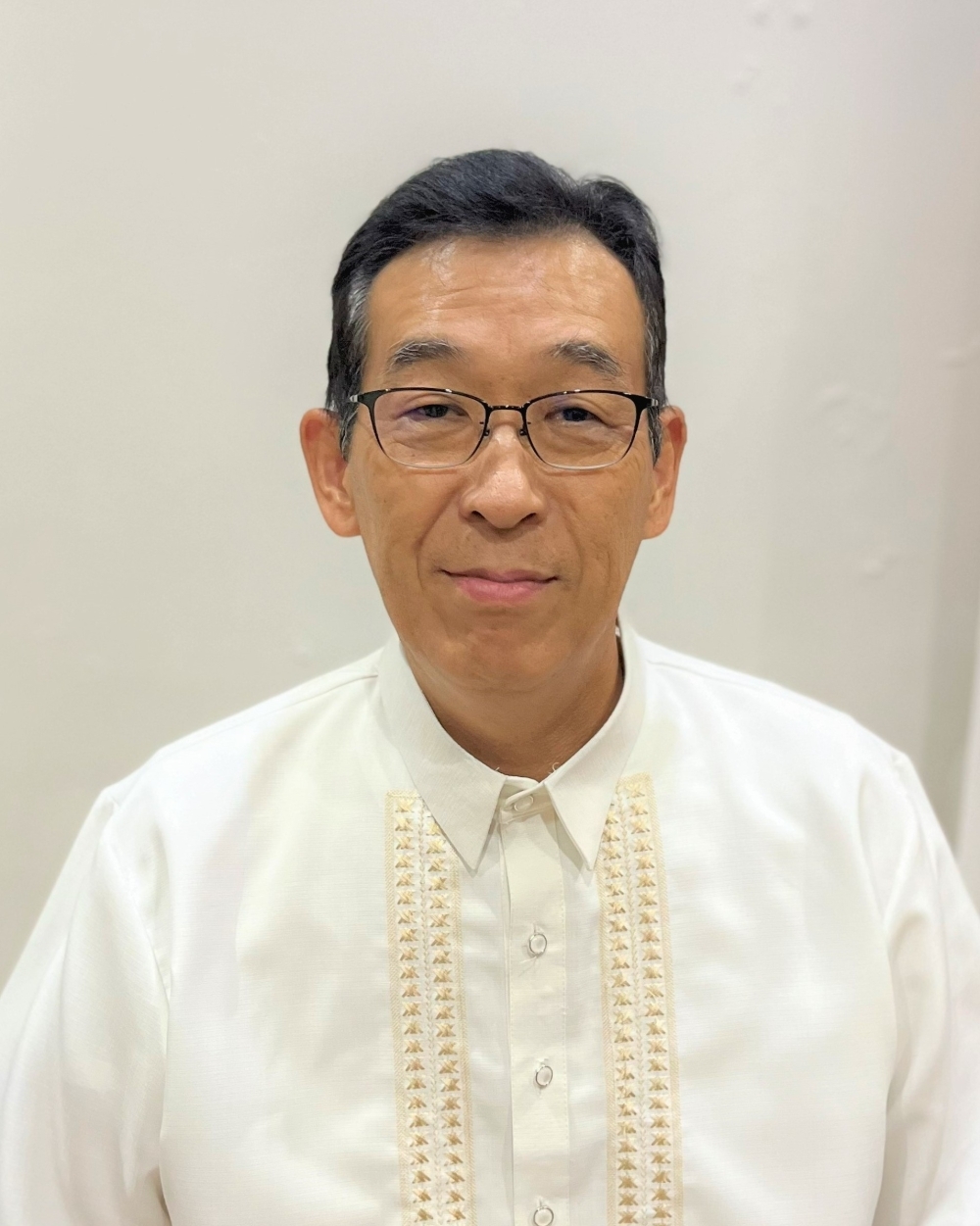 Consul General ONO Hirotaka
To commemorate the Japan–Philippines Friendship Year (70th Anniversary of the Normalization of Diplomatic Relations), Consul General Ono contributed an article to SunStar, Mindanao Times, and The Mindanao Sentinel.
WEAVING THE FUTURE TOGETHER: PEACE, PROSPERITY, POSSIBILITIES
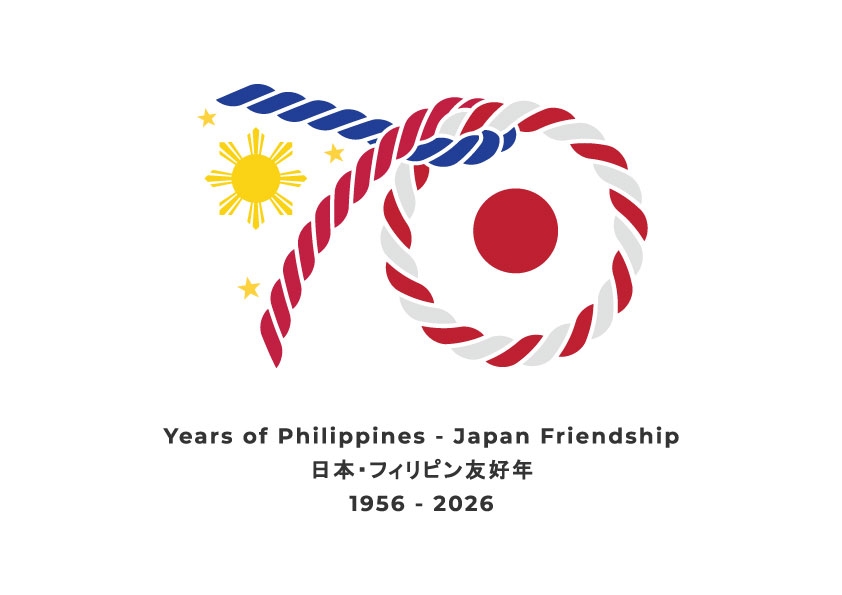 Commemorative Logo for 2026 Philippines-Japan Friendship Year (70th Anniversary of Normalization of Diplomatic Relations)
By Hirotaka Ono
Consul General of Japan in Davao
Every July 23, Japan and the Philippines celebrate Philippines-Japan Friendship Day. In 2026, we mark the 70th anniversary of the normalization of diplomatic relations between our two countries.
This milestone also honors the trust and friendship rebuilt by generations of Japanese and Filipinos who, after the tragedy of war, chose reconciliation, dialogue and hope.
The anniversary theme, “Weaving the Future Together: Peace, Prosperity, Possibilities,” expresses that sprit. The official logo intertwines Japan’s shimenawa rope with Philippine abaca fiber. In Mindanao, abaca is more than a symbol; it is part of a shared story that began long before diplomatic relations were normalized.
Consul General of Japan in Davao
Every July 23, Japan and the Philippines celebrate Philippines-Japan Friendship Day. In 2026, we mark the 70th anniversary of the normalization of diplomatic relations between our two countries.
This milestone also honors the trust and friendship rebuilt by generations of Japanese and Filipinos who, after the tragedy of war, chose reconciliation, dialogue and hope.
The anniversary theme, “Weaving the Future Together: Peace, Prosperity, Possibilities,” expresses that sprit. The official logo intertwines Japan’s shimenawa rope with Philippine abaca fiber. In Mindanao, abaca is more than a symbol; it is part of a shared story that began long before diplomatic relations were normalized.
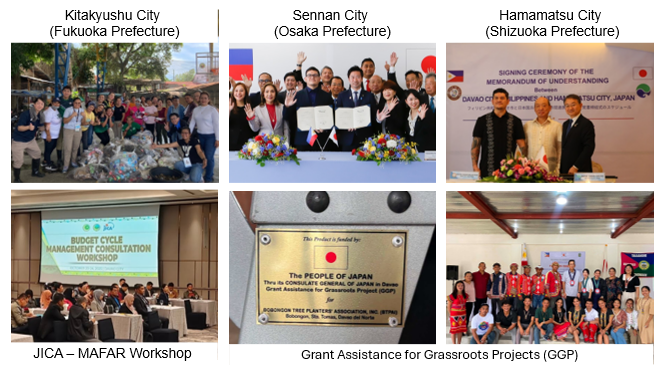 Local Partnerships and Development Cooperation
That story began in 1903, when the first group of Japanese migrant workers arrived in Davao. Many later settled and engaged in the abaca production. They built homes, schools and businesses, formed families with Filipinos, and became part of Mindanao’s social fabric.
The Second World War brought immense suffering to the Filipino people. Japan remembers this painful history with deep remorse. True friendship is forged by facing history honestly and choosing peace together.
A powerful symbol of Filipino reconciliation was President Elpidio Quirino’s 1953 decision to pardon 105 Japanese prisoners convicted of war crimes, despite having lost members of his own family during the war. His courage helped open the path toward the restoration of diplomatic relations in 1956.
In Mindanao, reconciliation was also woven through ordinary people. In 1968, former Japanese immigrants returned to Davao to commemorate Japanese who had lost their lives before and during the war, and residents of Mintal welcomed them. Subsequent visits and personal exchanges renewed ties among local communities.
Today, this trust supports Japan’s long-standing cooperation for peace and development across Mindanao. Davao City’s partnerships with Kitakyushu, Sennan and Hamamatsu strengthen people-to-people ties through education, environmental cooperation and human-resource development. Through the Japan-Bangsamoro Initiatives for Reconstruction and Development (J-BIRD) and other initiatives, Japan promotes human security and tangible dividends of peace.
The Second World War brought immense suffering to the Filipino people. Japan remembers this painful history with deep remorse. True friendship is forged by facing history honestly and choosing peace together.
A powerful symbol of Filipino reconciliation was President Elpidio Quirino’s 1953 decision to pardon 105 Japanese prisoners convicted of war crimes, despite having lost members of his own family during the war. His courage helped open the path toward the restoration of diplomatic relations in 1956.
In Mindanao, reconciliation was also woven through ordinary people. In 1968, former Japanese immigrants returned to Davao to commemorate Japanese who had lost their lives before and during the war, and residents of Mintal welcomed them. Subsequent visits and personal exchanges renewed ties among local communities.
Today, this trust supports Japan’s long-standing cooperation for peace and development across Mindanao. Davao City’s partnerships with Kitakyushu, Sennan and Hamamatsu strengthen people-to-people ties through education, environmental cooperation and human-resource development. Through the Japan-Bangsamoro Initiatives for Reconstruction and Development (J-BIRD) and other initiatives, Japan promotes human security and tangible dividends of peace.
On this 70th anniversary, I express my heartfelt gratitude to the people of Mindanao who have woven their own threads into our friendship. This relationship is not the achievement of the government alone. It belongs to all of you.
Together, let us continue weaving a future where peace is protected, prosperity is shared, and possibilities are open to every generation.
Maraming salamat po, Mindanao. Mabuhay ang pagkakaibigan ng Pilipinas at Japan.
Together, let us continue weaving a future where peace is protected, prosperity is shared, and possibilities are open to every generation.
Maraming salamat po, Mindanao. Mabuhay ang pagkakaibigan ng Pilipinas at Japan.